Different problems need different forms of expertise.

Prysm combines operational experience, structured problem solving, and modern data acquisition to help clients understand what matters, organize complexity, and move forward with clarity.

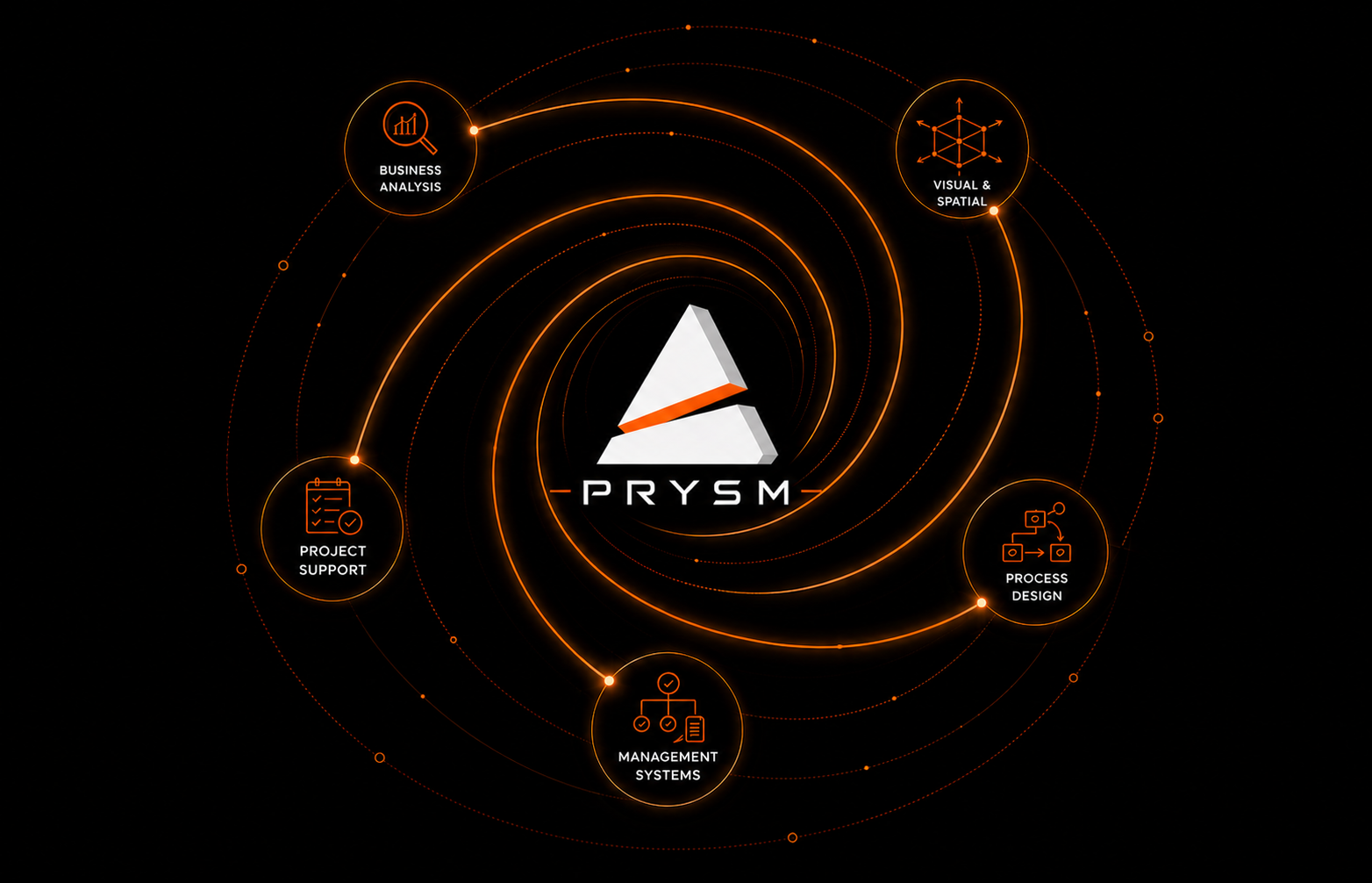
Prysm convergence graphic showing Business Analysis, Project Support, Management Systems, Process Design, and Visual and Spatial disciplines converging toward Prysm.

Outcome before tool

Start with what needs to become clear.

Prysm does not begin with a predefined service or technology. We start with the problem, decision, or outcome that needs support, then determine the expertise, method, and information required.

Capability families

Three complementary ways to turn complexity into clarity.

Different disciplines. One shared purpose: organize the information, work, and evidence that matter so the path forward becomes useful and clear.

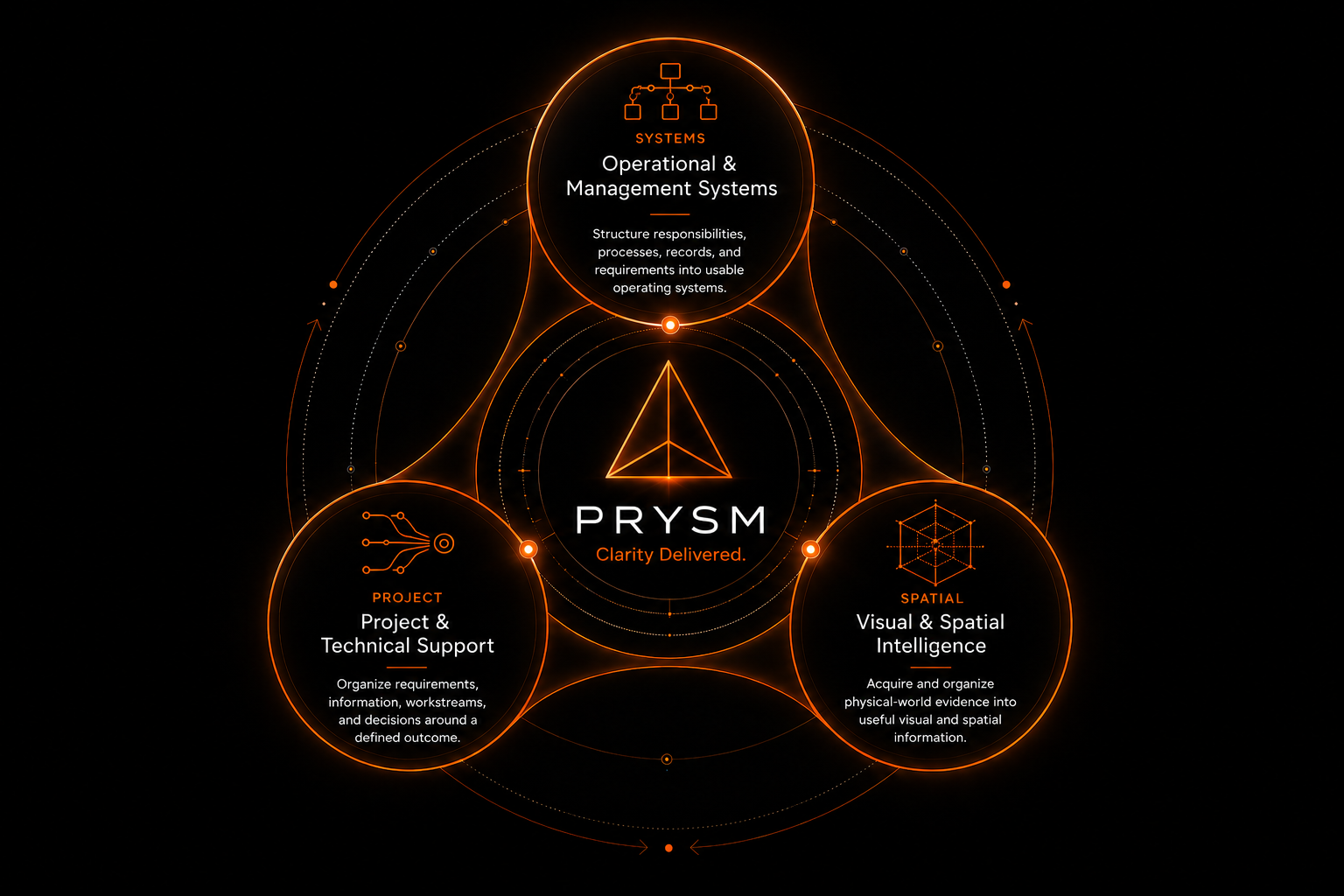
Diagram showing Prysm's three connected capability families: Operational and Management Systems, Project and Technical Support, and Visual and Spatial Intelligence, surrounding the Prysm brand and Clarity Delivered.

Support can include:

  • Environmental and operational management systems
  • Process and workflow design
  • Records and information structure
  • Management system implementation and improvement
  • Audit and certification readiness
  • Training and operational documentation

The objective is not more process. It is a system that makes responsibilities, information, and expectations easier to manage.

Support can include:

  • Requirements definition and organization
  • Project documentation and coordination
  • Technical and operational information management
  • Workflow and process development
  • Analysis and decision support
  • Delivery structure and implementation support

Prysm helps turn disconnected inputs into work that can be understood, coordinated, and delivered.

Support can include:

  • Aerial and remote data acquisition
  • Asset and site documentation
  • Progress monitoring
  • Visual condition records
  • Site visualization and spatial context
  • Repeatable capture for comparison over time

The objective is straightforward: collect useful evidence, organize it clearly, and make it easier to understand what is happening in the field.

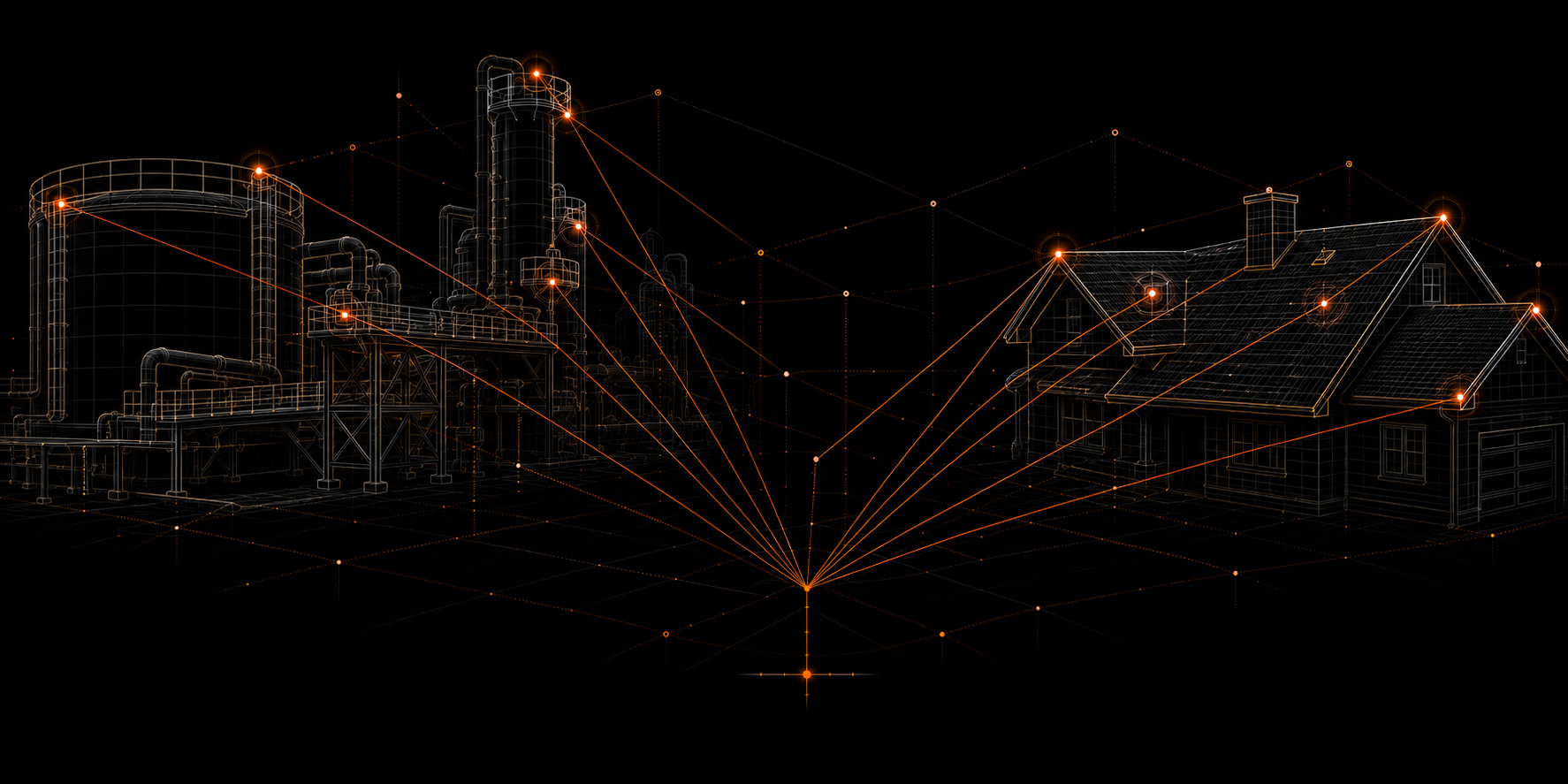
Technical wireframe illustration showing remote observation of an industrial facility and residential roof using a shared spatial reference framework.

Get the information before putting people in the risk area.

Remote sensing can support initial review, recurring documentation, and targeted evidence collection while reducing unnecessary personnel exposure.

It does not replace required controls, testing, inspection, or specialist review.

See the safety-led approach

Looking for a clear visual roof record?

Residential roof documentation gives homeowners a straightforward record of visible roof conditions, without presenting it as a technical inspection.

Explore residential services